THE CONTROVERSY WITH TRANSGENIC CORN CONTINUES

THE CONTROVERSY WITH TRANSGENIC CORN CONTINUES
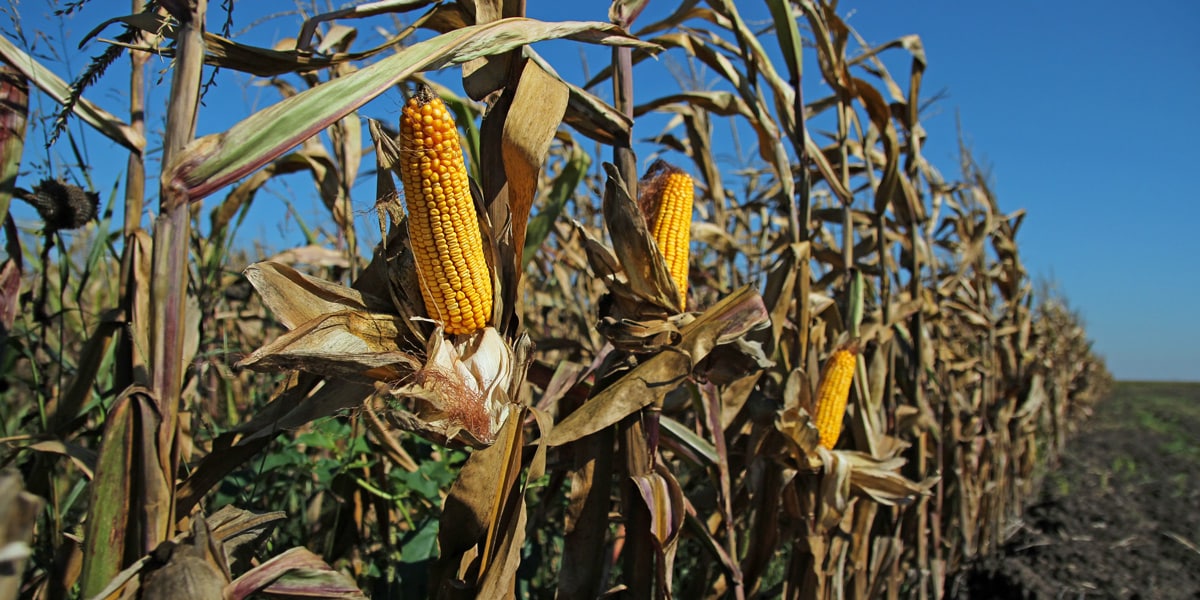
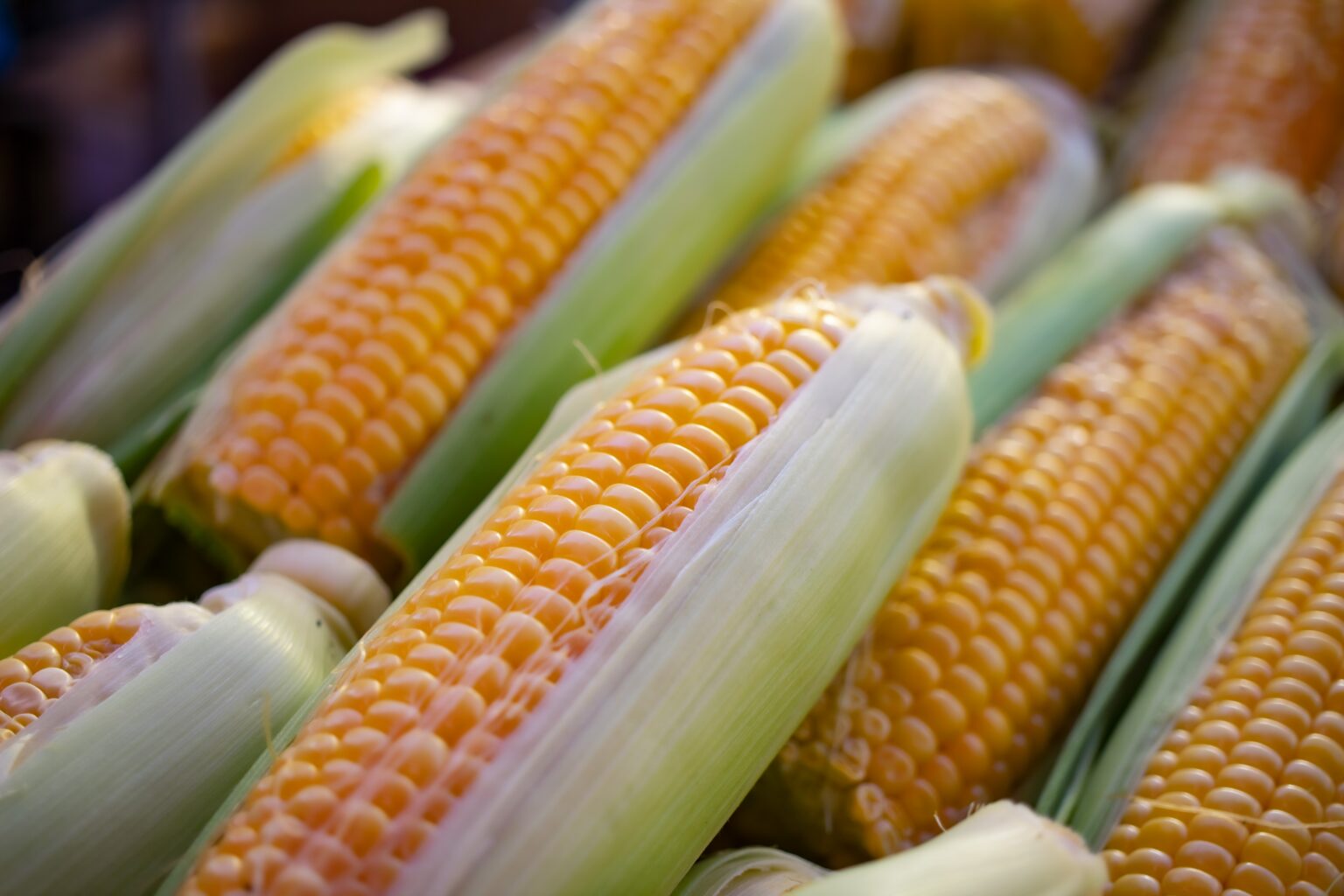
Although Mexico grows its own white corn, it is the leading importer of US corn.

President Andrés Manuel López Obrador’s controversial ban on transgenic corn has Mexico and the United States on the brink of confrontation. The measure, approved at the end of 2020, can cause great economic losses for both countries, and is viewed with suspicion by farmers on both sides of the border.

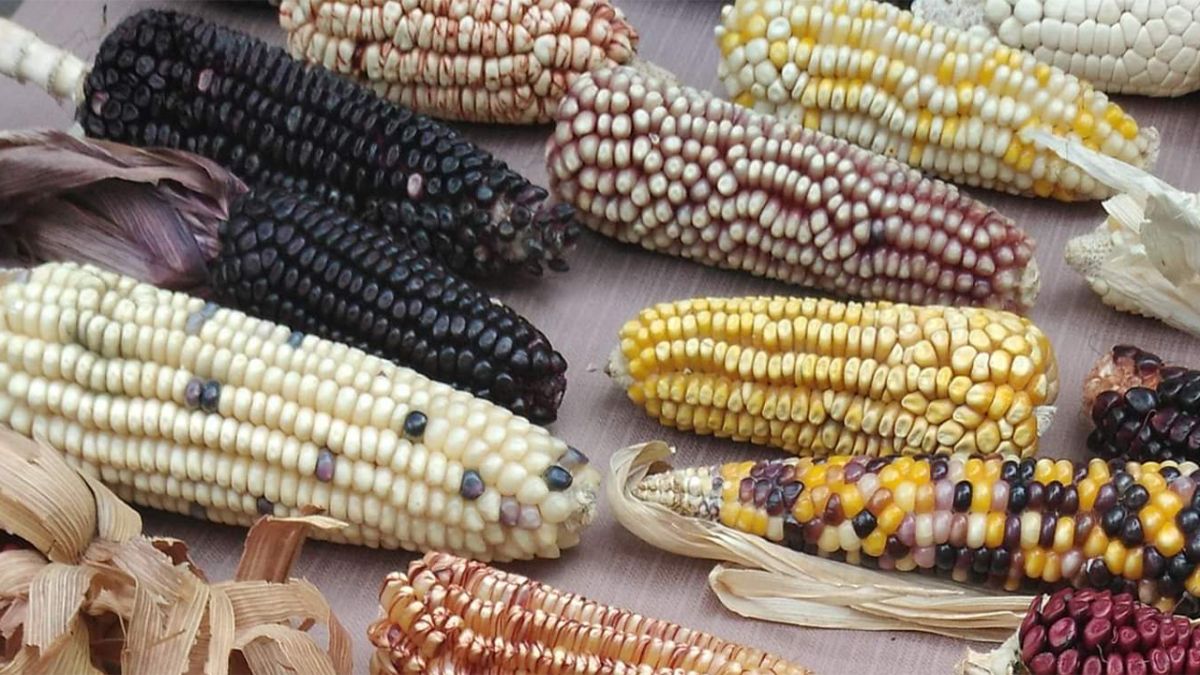
The decree against transgenic corn, that is, genetically modified, is intended to supposedly protect the population against agrochemicals, as well as preserve native corn. While environmental organizations have congratulated the measure, it could have big repercussions not only for the increase in production costs, but also for relations between the United States and Mexico.

Although Mexico grows its own white corn (destined for human consumption), the Aztec country is the main importer of US corn, especially yellow corn destined for animal fodder to cover at least three quarters. In 2021, it bought 16.8 million tons from the US. However, if the measure only includes corn for human consumption, what is the controversy?


THE UNITED STATES COULD TAKE ACTION AGAINST MEXICO

The problem is that the legislation is vague, and it is not clear whether or not it will affect imports from the United States. President López Obrador held a meeting with US Secretary of Agriculture Tom Vilsack and is expected to send a proposal to clarify the matter.

However, the secretary assured that if an agreement is not reached, the US could explore going to trade consultations under the Treaty between Mexico, the United States and Canada (TMEC), since it perceives a violation of the treaty. Among the consequences that this could bring is the imposition of tariffs on Mexican exports, in the event of ruling against it.

Although Mexico is willing to soften the measure, environmental organizations ask the government not to give in to pressure from the White House. For their part, in the United States they assure that this prohibition does not comply with the requirement that health regulations be made under relevant scientific principles.


ARE GMO FOODS DANGEROUS OR NOT?
ARE GMO FOODS DANGEROUS OR NOT?
The United States could lose up to 3.560 million in the first year alone, while affecting thousands of jobs

Generally speaking, there is no convincing scientific evidence that GM foods are harmful to human health. The vast majority of scientific studies suggest that genetically modified foods are safe, and organizations such as the World Health Organization (WHO) and the Food and Agriculture Organization of the United Nations (FAO) do not oppose them.

However, some people have concerns about the potential long-term effects of consuming GM foods, especially in terms of allergies and antibiotic resistance xxx gratuit. In addition, some groups argue that GM crops can have negative effects on the environment and biodiversity, such as increased resistance to pesticides, cross-pollination between species, or negatively impact soil quality.

According to the National Agricultural Council of Mexico, the use of transgenic corn has not registered any negative effect. For now, the economic consequences of a ban are more certain.

Among them is an increase in the price of non-transgenic corn by almost 50%, according to a study by the consultancy World Perspectives. Likewise, the production of meat and chicken would also be affected by the increase in the cost of fodder, which would lead to more inflation in Mexico.

For its part, the United States could lose up to 3,560 million in the first year alone, while it would affect thousands of jobs and the economy of the grain-producing states, especially Iowa. Even so, associations such as Greenpeace consider that this could encourage the creation of a market for non-transgenic corn.


RELATED POST


Trial Run: The Success of Bt Corn in Kenya

Corn is one of the staple products in Africa. It gained popularity due to the fact it can be cultivated everywhere and in every possible temperature. Surely, the conditions in Africa are difficult and droughts are common but there are other issues that are causing a lot of trouble for the local farmers.

A couple of species of stem borers are known for attacking corn that is cultivated in Africa. This is a huge problem because thousands and thousands of people are relying on these plants as the source of food. Luckily, Bt corn did show great results in standing up to these pests and managing to thrive perfectly.

The research

A study that examined three harvest seasons in Kenya was released this month in the journal called Crop Protection. The scientists analyzed the produce to the smallest details, measuring both the number of successful crops, as well as the damage that was made by stem borers. This research included eighteen different sorts of crops and they were put to test at Kenya Agricultural and Livestock Research Organization. The examined corn ranged from the high-quality GMO hybrids, to local corn species that were not treated with Bt.

So over the course of three planting seasons, scientists measured the damage that was done to all planted crops as well as the general productivity. It was clear that the first planting season was an overall success with all crop variations. However, the number of healthy products did reduce in the second and third season. It was also evident that Bt corn hybrids yielded more produce than any other planted crop. Mon810 hybrids came in second place, while the non GMO corn gave the least amount of usable corn.

Bt and Mon810 corn hybrids performed really well against pests and they were able to keep all species of stem borers away. Since Bt corn is resistant to these pests “from the inside”, there is no need for farmers to spend their funds on various chemicals in order to treat the outside of their crops. Therefore, Bt corn has a huge impact on the economy, and it can be an excellent source of affordable food to the entire region.

Conclusion

Even though GMO seeds are not widespread in Africa, it is clear that the countries that have implemented the new technology into their agriculture are generally more successful. South Africa is the leading force in producing GMO corn and the surrounding countries are following the same path. Since Bt corn seems to thrive in harsh African weather and the crop is resistant to pests, it is clear that this plant might be the future of farming on this continent.

Everyone would benefit from planting and producing Bt corn, but most importantly – a large number of people would stop worrying about their next meal. Famine is a real problem in Africa and since technology did come a long way, this is a step forward in helping those in need. Bt corn did pass the tests and now we can only hope that it will be accepted by the government in Kenya.

Source: Breaking.com.mx

China’s Support for GMO Soy Beans

China is known as a country that already integrated GMO cotton seeds in the regular production so it comes as no surprise to find out that they are considering using GMO soy beans in the next five years in order to boost the production of the said plant. The agricultural sector is looking to reform the production methods and they want to include more research in the entire process.

The five year development plan encourages manufacturers who are already growing pest resistant corn to plant soybeans on their fields as well, switching between the crops in order to yield more product that will be ready for both animal and human consumption. As a matter of fact, China depends a lot on soy production due to the fact that this crop is used in everyday diets of a large number of citizens.

Besides using soy beans for soy milk and tofu production, China is known for exporting soy all around the globe. They already produce large quantities of this plant and it does require plenty of work in terms of protecting the crops against various pests and diseases. Using pest resistant seeds will save a lot of money that is typically spent.

Having in mind that the United States already use GMO soy plants for both human and animal consumption, China’s decision is completely justified. It is a long term plan that will allow the researchers to further examine the effects of the crops and it will open more doors to scientific development.

Huang Dafang who works as a professor at the Biotechnology Research Institute which is a part of Chinese Academy of Agricultural Sciences claims that even though growing GMO soy beans is among the priorities in this five year plan, it will likely take a backseat and the production of pest resistant corn will continue to be a priority since corn is more commonly used for feeding animals and livestock. Therefore, China will continue planting and producing more non GMO soy beans in the future. The public trusts the manufacturers and GMO soy might receive a huge backlash from the consumers. Non GMO soy beans are more expensive and it seems that the consumers are willing to pay a bit more in order to get the natural product they desire.

On the other hand, if China plans on feeing their livestock with soy beans, it is clear that they need to spike up the production. The best way to do so is to try planting pest resistant soy crops. The GMO corn seems to be completely harmless to the animals and testing the soybeans in the same environment will most likely bring positive results.

Since corn is used for manufacturing various sweeteners and other products that are used in human diets, it is more likely that the mass production of this plant will remain a priority for many manufacturers. But let’s wait and see what will happen with the China’s five year plan and will they start with the mass production of pest resistant soy beans as they initially planned.

Monsanto’s New Anti-Pests Technology

Just a couple of days ago, Monsanto released a press statement saying that they have discovered a way to make plants and crops more resistant to various pests and diseases. Monsanto conducted this research with Harvard University and these two teams worked together on finding out new ways to protect the plants. Their research brought results regarding the pests that have managed to develop a resistance to genetically modified organisms.

The main objective of this collaboration between Monsanto and Harvard University was to find a way to improve the production of proteins in a couple of organisms which then leads to faster regeneration of the tissue and wards off pests and bugs. PACE technology was used and that is the cutting edge innovation when it comes to protein production. As a matter of fact, it is way quicker than anything we have seen so far.

PACE technology is designed to help farmers make the best of the land and the crops they have. This valuable cooperation between these two well-known institutions did create and delivered notable results. PACE helps the plants to produce more protein before the insects can become immune to the existing levels. The members of the teams are hoping that their innovation will be used in the near future by the majority of farmers who are working with GMO seeds and crops.

But what prompted this research? Well, last year Monsanto received a lot of critiques by some of the major environmentalists who accused them of not dealing properly with the superbugs who became a problem and a nuisance to a large number of farmers in the United States. The production of genetically modified corn and soya beans plummeted last year due to the pests that were attacking the crops.

Monsanto responded quickly by putting their best scientists on the project and inviting the Harvard University to help them out with their efforts. Superbugs are simply unacceptable and they had to find a way to deal with them. The production of genetically modified soy beans and corn are the foundation of GM production in the United States and the solution had to be found as soon as possible.

As you probably already know, anything related to Monsanto is a touchy subject that often comes with plenty of criticism. The protesters are usually attacking their poor labeling rules, usage of toxic chemicals for treating their products, and completely ignoring the food safety. USDA announced that they will be reducing the amount of genetically modified corn due to the fact that the majority of crops were destroyed by weeds and pests. They suggested that only licensed farmers would get an opportunity to plant this sort of corn.

However, this latest discovery might change their minds and make them rethink this suggestion because Monsanto did find the way to fight the bugs and pests more efficiently than ever before. The production of corn and soy beans will very likely continue on the same scale as before when it comes to the United States.
It is good to see that the technology related to genetically modified crops is expanding and reaching new levels. No matter how many rallies and protests we have, the production will unlikely subside in the near future. Monsanto is obviously doing their best to correct some of their mistakes and it is positive that they are involving other research teams in order to help them out. This collaboration between Monsanto and Harvard University was clearly a success and the public will be waiting for more test results and the final USDA verdict about the reduction of the planted GMO crops in the United States.

First Public Results of GRACE Project

GMO is a fascinating subject and having in mind that it is a fairly recent phenomenon, there are so many researches that are underway at the moment of speaking. GMO managed to divide the scientific community so any breakthrough in the research is a front page news. We are still uncertain about the long-term effect GMO foods can have on human bodies and health. European Union is highly involved in regulating GMO foods. They have commissioned a team of researchers to take a closer look at both medium and long-term effects of GMO products. The team has made the preliminary results available to public in April of 2016 and here is what they found.

The researchers working on GRACE project have a clear goal – getting accurate information on both short term and long term effects of GMO foods on living organisms. Therefore, they began trial testing on rodents who were fed GMO foods. One group was given genetically modified corn for ninety days, and the other one will be consuming the said product for one year. On the other hand, the control group is fed standard and non-genetically modified corn in the same time frame.

The results from the short term test group was published in Archives of Toxicology and it clearly showed that there were absolutely no differences between the two groups of rodents. It means that genetically modified corn has the same effect on an organism as the standard crops. European Union’s food regulators require this type of testing before they can give a green light to genetically modified products, and even though they have the positive results from the ninety days trial, they will be waiting for the one year study before they allow the mass production and distribution of MON810 GM corn.

Following the European Union’s strict rules regarding genetically modified food, the GRACE Project will be releasing all the data they have collected in this study so far on their official web site. It will be accessible to anyone who is interested in this topic and they will not be holding back on any documentation. European Union is very involved in the research of GMO foods and the GRACE Project is not the only study they are working on at the moment. As a matter of fact, the findings from two more studies will be added to GRACE’s results once they are completed.

Projects G-TwYST and GMO90+, which are conducted by a group of French researchers have agreed to share the information, data, materials, and their findings with the scientists that are working on GRACE. This is done in order to help each other reach the accurate results that will have an impact on the future of GMO products in European Union. The things are looking good so far and it seems there should be no concern about the production of MON810 GM corn in Europe.

All in all, the results of the one year trial will be published in Archive of Toxicology once it reaches its end, as well as the collaborative results from the other trials. Until then, the researchers working on GRACE Project are inviting all of you to take a part in the public discussion about their latest findings. As we have previously mentioned, all the documents and findings will be on their website. So it doesn’t matter if you are a scientist who is heavily involved in this field of study or a regular person simply interested in the topic of genetically modified foods – you are free to comment and share your opinion on their findings.

GMO Plants as an important strategy to adapting climate-smart changes

One of the greatest worries about increased temperatures is the corn impact it has on Agricultural practices. This is because heat waves are perceived to have an impact on the atmospheric humidity through the creation of a drought condition. In the long-term, this extends into reducing the amount of water that is in the soil, rivers, and lakes among corn water sources. Another under worry about the high temperatures is that relating to the prospects of food crops bidding their natural habitats a good bye. According to expert agronomists, if the temperatures rise beyond a certain threshold, there will be anticipated a decline of yield significantly.

However, climate change is not a good thing as people may want to describe it. This is because of the problems that come along with it apart from the high temperatures that exceed the tolerant limits of various species of crops. The alteration in the normal patterns of the weather has a great impact on the systems of agriculture in certain areas. Similarly, variability in the climatic patterns may lead to draft that gives rise to floods during seasons that would otherwise be dry under normal conditions. This causes dryness during wet seasons and thus affects the crops that have been planted. This leads to the crippling of crops for long periods of time.

One of the ways in which this can be taken care of is through adaptation of the genetically engineered crops species that are tolerant to harsh environmental conditions. This means that GMO plants can be produced so that they can withstand drought, floods, extreme temperatures as well as novel breeds of pests. This serves as a promising area that can help in salvaging the extreme changes in the climatic patterns that hit hard the agriculturally productive regions across the globe. This requires employing biotechnology techniques that will help in promoting the crop adaptation.

GM crops in stress conditions
The effects of the alteration in the weather have been attributed as one of the leading causes of changes in the soil conditions. This often leads to toxic salt levels in the ground that are not favorable for crops. In Australia, a gene has been identified in Wheat to play a central role in marker-assisted breeding has promised to offer great avenues of taking care of the salt concentrations in the soil. This is by conferring salt tolerance traits in the GM crops. Based on a report given by the FAO (2010), there is a possibility that the use of biotechnology based techniques can lead to the salt tolerant crops through genetic engineering. This is after a long period of 10 years of genetic research utilizing transgenic plants to alter the salt tolerance. The value and success of this particular approach are anticipated in the filed experiments that are on-going in Australia. The success of this approach is one of the greatest techniques of GMO drought tolerant crops and thus promoting the climate-smart farming technology.

GMO maize, MON87460 to feed people in droughts
There have been significant efforts put in place by the genetic engineers in converting crops so that they can efficiently use carbon dioxide and water. This means that significant conversion of the metabolism of the plants from carbon 3 to carbon four metabolisms has to occur. The carbon four plants that include maize, as well as sugarcane, have a more efficient way of using their water and carbon dioxide. This means that successful genetic engineering of drought tolerance genes has currently been found impossible because of the major changes that have to be made in the metabolic cycle.

In some parts of Africa, Australia, and Europe, there is evidence of plants growing in the absence of moisture after prolonged periods of droughts. Recently, there has been the release of maize that is tolerant to droughts by Monsanto. The maize is referred to as MON87460, and there is anticipation for the marketing consent release for this batch of corn. It is under conditions that have limited amounts of water that the grain yield for the corn loss was reduced significantly when compared to the conventional maize. However, just like the regular corn, MON87460 maize still suffers from loss of yield especially in conditions where the amount of water is limited. This often has been reported to happen during the stage of flowering and the grainfill period. This is because it is during this time that the yields of maize are greatly influenced by their sensitivity to stress conditions. Because of this, the kernel development is disrupted significantly.

Additionally, the maize grain yield of the MON87460 maize has the potential to reach zero level especially under conditions of severe water deficiency. The most important factor to note is that the information that is available from the Monsanto is not inclusive of the evidence that indeed the GMO maize MON87460 will thrive in conditions of limited water.

Currently, there are researches taking place in France on a wide range of crops that have the ability to withstand inhospitable climatic conditions. This includes research on Grapes that are designed to fight against common environmental viruses as well as the wheat in Australia striving to produce foods that have lower glycemic levels. Additionally, other studies are those focusing on cassavas that are resistant to ceratin viruses and bananas that contain high levels of iron. All these studies strive at ensuring that we have GM plants that are climate smart and can assure the future of food security.

Conclusion
A wide range of miracle GMO plants that are capable of thriving in marginal lands is the focus of most researches today. This is to ensure that there is the development of genetically engineered crops that are tolerant to abiotic stresses that include high salt concentrations, droughts among other factors. However, in as much as these promises are highly manipulative of the common farmers, the results of which are still at the level of mere speculations. If we have successful genetic engineering of pants that will confer drought resistance traits, then it will be a happy future for all the people across the globe. This is because it means sufficient food and thus food security. However, there is still the challenge of making significant alterations to the metabolism of the plant.